Descrição do produto
Descrição do produto
Planetary Gear Stepping Motor :
Precision high-end upgrade with Nema8, Nema 11, Nema14, Nema 17, Nema23, Nema 24
stepper motor; low noise, low vibration, firm and durable. Increase torque at low speed.
Reduction ratio:1:3.7 , 1:5.2 , 1:14 , 1:19 ,1:27 ,1:51 , 1:71 ,1:100 ,1:139 , 1:189 ,1:264 , 1:369 ,And 48 hours delivery , in stock .
Aplicativo:
Automation control, medical equipment, textile machinery,and packaging machinery fields. Not only in the field of the automation industry, it also has a good use status in the home. Products with low speed and inertia are often seen: electric curtains, electric shutters, etc.
Parâmetros do produto
Planetary Gear Box Specification:
| Material de construção | Metal |
| Bearing at Output | Ball Bearings |
| Max.Radial Load(10mm from flange) | 50N |
| Max.Shaft Axial Load | 30N |
| Radial Play of Shaft (near to Flange) | ≤0.08mm |
| Axial Play of Shaft | ≤0.3mm |
| Backlash at No-load | 1 stage≤1°,2stage≤1.2°,3stage≤1.5° |
20HS Hybrid Stepping Motor Specifications:
20HS1450 Planetary Gearbox Motor Specifications: |
||||||||||||||||||||||||||||||||||||||||||||||||||||||||||||||||
| Reduction ratio | 3.71 | 5.18 | 14 | 19 | 27 | 51 | 71 | 100 | 139 | 189 | 264 | 369 | ||||||||||||||||||||||||||||||||||||||||||||||||||||
| Total Height(L1+L2) (mm) | 53.4 | 53.4 | 60 | 60 | 60 | 66.4 | 66.4 | 66.4 | 66.4 | 72.8 | 72.8 | 72.8 | ||||||||||||||||||||||||||||||||||||||||||||||||||||
| Output torque ( mN.m) | 50 | 70 | 170 | 231 | 328 | 558 | 777 | 1095 | 1522 | 1871 | 2000 | 2000 | ||||||||||||||||||||||||||||||||||||||||||||||||||||
| Total Weight(g) | 91 | 91 | 97 | 97 | 97 | 103 | 103 | 103 | 103 | 109 | 109 | 109 | ||||||||||||||||||||||||||||||||||||||||||||||||||||
| Number of gear trains | 1 | 2 | 3 | 4 | ||||||||||||||||||||||||||||||||||||||||||||||||||||||||||||
| Reducer Length(L2) (mm) | 23.4 | 30.0 | 36.4 | 42.8 | ||||||||||||||||||||||||||||||||||||||||||||||||||||||||||||
| Efficiency | 90% | 81% | 73% | 66% | ||||||||||||||||||||||||||||||||||||||||||||||||||||||||||||
| 20HS6401 Planetary Gearbox Motor Specifications: | ||||||||||||
| Reduction ratio | 3.71 | 5.18 | 14 | 19 | 27 | 51 | 71 | 100 | 139 | 189 | 264 | 369 |
| Total Height(L1+L2) (mm) | 64.4 | 64.4 | 71 | 71 | 71 | 77.4 | 77.4 | 77.4 | 77.4 | 83.8 | 83.8 | 83.8 |
| Output torque ( mN.m) | 100 | 140 | 340 | 462 | 656 | 1117 | 1555 | 2000 | 2000 | 2000 | 2000 | 2000 |
| Total Weight(g) | 131 | 131 | 137 | 137 | 137 | 143 | 143 | 143 | 143 | 149 | 149 | 149 |
| Number of gear trains | 1 | 2 | 3 | 4 | ||||||||
| Reducer Length(L2) (mm) | 23.4 | 30 | 36.4 | 42.8 | ||||||||
| Efficiency | 90% | 81% | 73% | 66% | ||||||||
Fotos detalhadas
| Aplicativo: | Automation Control, Medical Equipment, Textile Mac |
|---|---|
| Speed: | Variable Speed |
| Number of Stator: | Two-Phase |
| Excitation Mode: | HB-Hybrid |
| Function: | Control, Driving |
| Number of Poles: | 2 |
| Exemplos: |
US$ 42/Piece
1 unidade (pedido mínimo) | |
|---|
| Personalização: |
Disponível
| Solicitação personalizada |
|---|
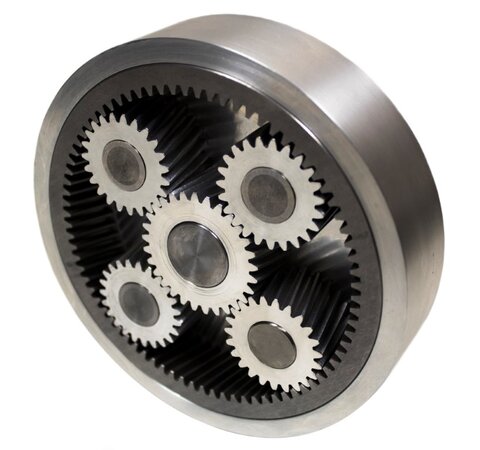
What is the significance of the gear ratio in planetary gear arrangements?
The gear ratio plays a significant role in planetary gear arrangements, offering several key advantages and applications. Let’s explore the significance of the gear ratio:
- Speed Control:
The gear ratio in planetary gear arrangements allows for precise speed control. By adjusting the sizes and numbers of teeth on the sun gear, planet gears, and ring gear, different gear ratios can be achieved. The gear ratio determines the relationship between the input speed and the output speed. By changing the gear ratio, the speed of the output shaft can be increased or decreased relative to the input speed. This speed control capability is crucial in various applications, such as automotive transmissions, industrial machinery, and robotics, where specific speed requirements are necessary for optimal performance.
- Amplificação de torque:
The gear ratio also enables torque amplification in planetary gear arrangements. By fixing the ring gear and inputting power to the sun gear, the planet gears rotate and contribute to multiplying the torque. The gear ratio determines the extent of torque amplification. This torque amplification feature is beneficial in applications that require higher torque output while maintaining a smaller physical size. It allows for increased torque transmission without the need for larger and heavier gear systems.
- Multiple Speeds:
Another significance of the gear ratio is the ability to achieve multiple speeds within a single gear system. Planetary gears offer the advantage of having multiple gear sets within a compact arrangement. By combining different gear ratios using various combinations of sun gears, planet gears, and ring gears, it is possible to obtain multiple output speeds. This versatility is useful in applications that require variable speed control or the ability to switch between different operational modes.
- Power Distribution:
The gear ratio also influences power distribution in planetary gear arrangements. As torque is transmitted through the gears, the gear ratio determines how the power is distributed among the different components. By adjusting the gear ratio, it is possible to distribute power more evenly or concentrate it on specific gear elements. This power distribution capability allows for optimized performance and load-sharing in the gear system.
- Efficiency and Mechanical Advantage:
The gear ratio affects the efficiency and mechanical advantage of planetary gear arrangements. The gear ratio determines the trade-off between speed and torque. Increasing the gear ratio results in higher torque output but lower speed, while decreasing the gear ratio yields higher speed but lower torque. By selecting the appropriate gear ratio, it is possible to achieve the desired balance between speed and torque while maximizing the overall efficiency of the system.
In summary, the gear ratio in planetary gear arrangements is significant for speed control, torque amplification, achieving multiple speeds, power distribution, efficiency, and mechanical advantage. Understanding and selecting the appropriate gear ratio is crucial for optimizing performance and meeting the specific requirements of different mechanical setups.
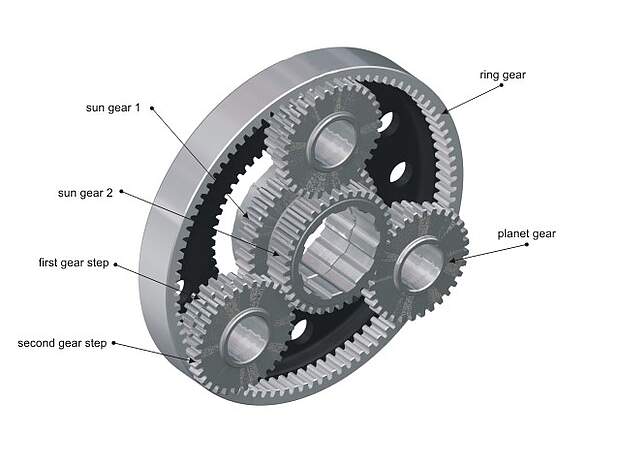
What are the considerations for lubrication and maintenance of planetary gears?
Proper lubrication and maintenance are crucial for the reliable and efficient operation of planetary gears. Let’s explore the key considerations for lubrication and maintenance:
- Lubrication:
Effective lubrication is essential to reduce friction, wear, and heat generation in planetary gears. Consider the following aspects:
- Lubricant Selection:
Choose a lubricant specifically designed for gear systems with the appropriate viscosity and additives to ensure proper film formation and protection against wear. Consult the manufacturer’s recommendations or industry standards for suitable lubricants.
- Lubricant Contamination:
Prevent contamination of the lubricant by keeping the gear system clean and free from debris, dust, and moisture. Use proper sealing techniques and consider filtration systems to maintain the lubricant’s cleanliness and performance.
- Lubrication Frequency:
Follow the recommended lubrication intervals provided by the equipment manufacturer. Factors such as operating conditions, load, and temperature can affect the lubrication frequency. Regularly monitor the lubricant condition and conduct oil analysis to determine if lubricant replacement or additional lubrication is required.
- Maintenance:
Regular maintenance helps ensure the longevity and optimal performance of planetary gears. Consider the following maintenance aspects:
- Inspection:
Periodically inspect the gear system for signs of wear, damage, misalignment, or abnormal noise. Detecting issues at an early stage allows for timely maintenance and prevents further damage.
- Alignment:
Proper alignment of the gear components is crucial to distribute the load evenly and prevent premature wear. Regularly check and adjust the gear alignment as per the manufacturer’s specifications.
- Torque and Load:
Ensure that the gear system operates within the recommended torque and load limits. Excessive loads can lead to increased wear and decreased gear life. Consider the application requirements and ensure the gear system is appropriately sized and rated.
- Temperature:
Monitor the operating temperature of the gear system. Excessive heat can degrade the lubricant’s performance and accelerate wear. Proper cooling mechanisms, such as fans or heat exchangers, may be required in high-temperature environments.
In summary, proper lubrication and maintenance are essential for planetary gears. Choose suitable lubricants, prevent contamination, follow recommended lubrication intervals, inspect for wear, ensure proper alignment, consider torque and load limits, monitor operating temperature, and conduct regular maintenance. By adhering to these considerations, you can prolong the lifespan, enhance performance, and minimize the risk of gear failure in planetary gear systems.
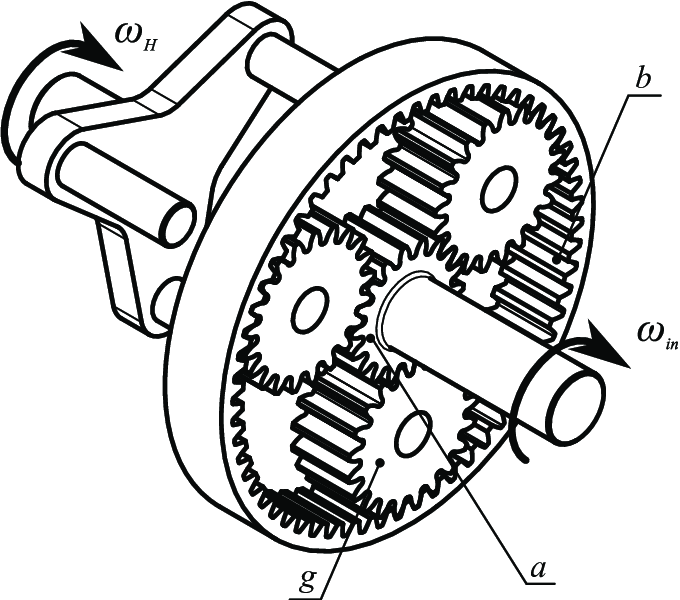
Como as engrenagens planetárias contribuem para a transmissão de potência e a redução de engrenagens?
As engrenagens planetárias desempenham um papel significativo na transmissão de potência e na redução de engrenagens. Vamos explorar como as engrenagens planetárias contribuem para esses aspectos:
- Amplificação de torque:
Uma das principais contribuições das engrenagens planetárias é a amplificação de torque. O arranjo de múltiplos conjuntos de engrenagens em um design compacto permite a multiplicação do torque. Quando a potência de entrada é aplicada à engrenagem solar, ela aciona a rotação das engrenagens planetárias. As engrenagens planetárias, por sua vez, engrenam com a engrenagem anular, criando uma vantagem mecânica que amplifica o torque de saída. Essa amplificação de torque é benéfica em aplicações que exigem alto torque, mantendo ao mesmo tempo um formato compacto.
- Variação da relação de transmissão:
Outra contribuição das engrenagens planetárias é a capacidade de atingir diferentes relações de transmissão. Variando o número de dentes na engrenagem solar, nas engrenagens planetárias e na engrenagem anular, é possível obter uma ampla gama de relações de transmissão. A relação de transmissão é determinada pelos tamanhos relativos das engrenagens e pelo número de dentes em cada engrenagem. Essa flexibilidade nas relações de transmissão permite que as máquinas se adaptem a diferentes requisitos de velocidade e torque, possibilitando um controle preciso e uma transmissão de potência eficiente.
- Redução de engrenagem:
Engrenagens planetárias são comumente usadas em aplicações de redução de engrenagens. Redução de engrenagens refere-se ao processo de diminuir a velocidade de rotação e aumentar o torque de saída de uma fonte de energia. Em um sistema de engrenagens planetárias, a redução de engrenagens é obtida fixando-se a engrenagem anular e permitindo que a engrenagem solar gire como entrada. A rotação da engrenagem solar aciona as engrenagens planetárias, que por sua vez giram o suporte ou braço de saída. A velocidade de saída é menor que a velocidade de entrada, resultando na redução de engrenagens. Essa capacidade de redução de engrenagens é valiosa em diversas aplicações, como transmissões automotivas e sistemas de transmissão de potência.
- Transmissão de energia eficiente:
As engrenagens planetárias são conhecidas por sua eficiente capacidade de transmissão de potência. O engrenamento interno e a distribuição da carga entre os múltiplos dentes da engrenagem resultam em uma transferência de torque eficiente com mínima perda de potência. A carga é compartilhada entre as engrenagens planetárias, permitindo maior capacidade de torque e menor desgaste nos dentes individuais. Essa eficiente transmissão de potência garante que uma parcela significativa da potência de entrada seja efetivamente transmitida para a saída, tornando as engrenagens planetárias adequadas para aplicações onde a conservação e a otimização de energia são cruciais.
Em resumo, as engrenagens planetárias contribuem para a transmissão de potência e redução de engrenagens por meio da amplificação de torque, variação da relação de transmissão, mecanismo de redução e transmissão eficiente de potência. A capacidade de amplificar o torque, obter diferentes relações de transmissão e transmitir potência de forma eficiente torna as engrenagens planetárias amplamente utilizadas em diversos setores industriais e sistemas mecânicos.


editor by CX 2023-11-02