Produktbeskrivelse
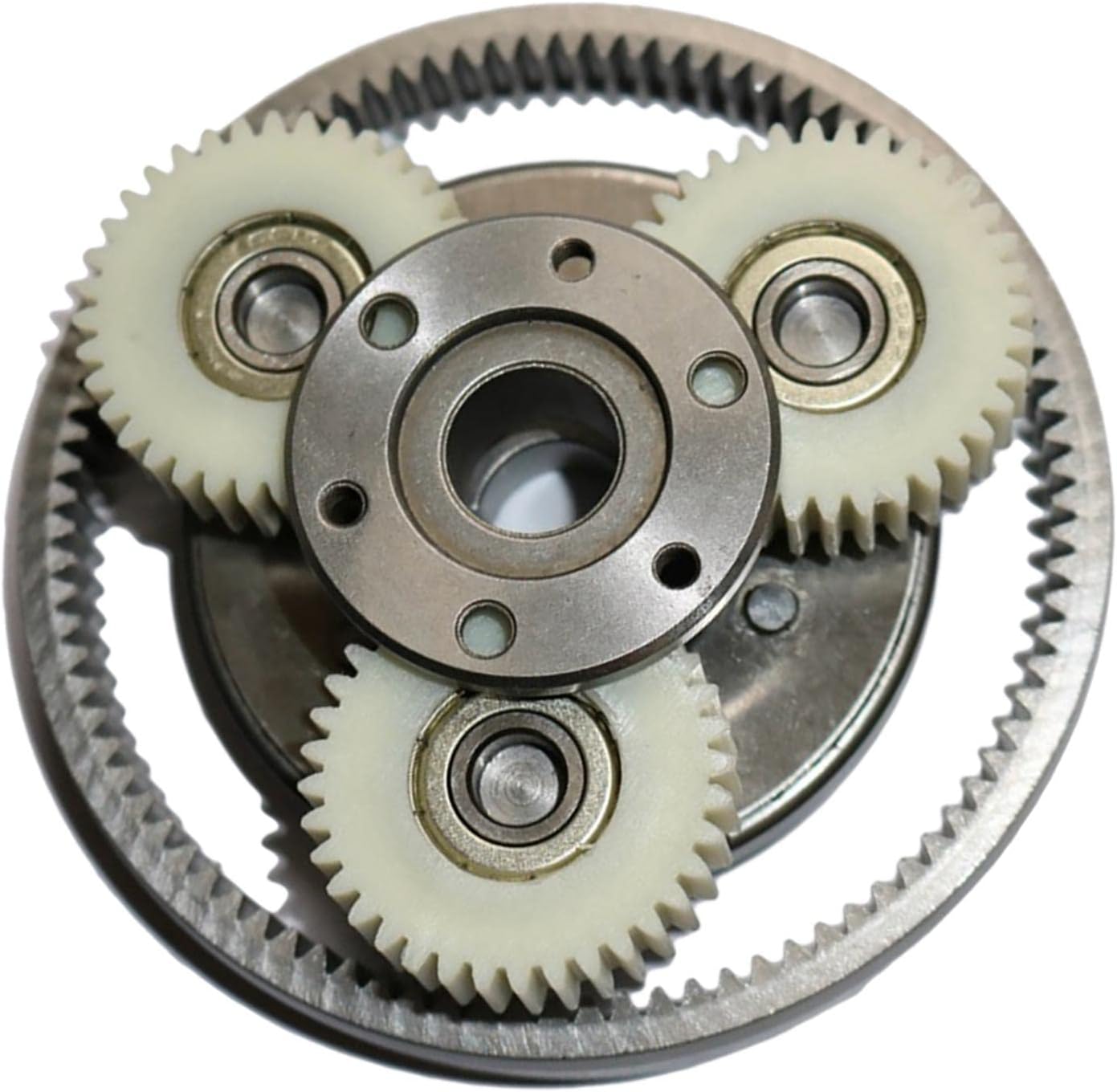
Customer High Precision Manufacturer Steel /Pinion/Straight/Helical Spur
Planetary/Transmission/Starter/ CNC machining/Drive Gear
Our advantage:
*Specialization in CNC formulations of high precision and quality
*Independent quality control department
*Control plan and process flow sheet for each batch
*Quality control in all whole production
*Meeting demands even for very small quantities or single units
*Short delivery times
*Online orders and production progress monitoring
*Excellent price-quality ratio
*Absolute confidentiality
*Various materials (stainless steel, iron, brass, aluminum, titanium, special steels, industrial plastics)
*Manufacturing of complex components of 1 – 1000mm.
Production machine:
| Spesifikasjon | Materiale | Hardness |
| Z13 | Steel | HRC35-40 |
| Z16 | Steel | HRC35-40 |
| Z18 | Steel | HRC35-40 |
| Z20 | Steel | HRC35-40 |
| Z26 | Steel | HRC35-40 |
| Z28 | Steel | HRC35-40 |
| Custom dimensions according to drawings | Steel | HRC35-40 |
Production machine:
Inspection equipment :
Gear tester
| Søknad: | Motor, Electric Cars, Motorcycle, Machinery, Agricultural Machinery, Car |
|---|---|
| Hardhet: | Herdet tannoverflate |
| Girposisjon: | Internal Gear |
| Produksjonsmetode: | Rolling Gear |
| Form på tanndel: | Spur Gear |
| Materiale: | Steel |
| Tilpasning: |
Tilgjengelig
| Tilpasset forespørsel |
|---|
Can planetary gears be used in high-torque applications?
Yes, planetary gears are well-suited for high-torque applications due to their design characteristics and capabilities. Let’s explore why planetary gears can be used in high-torque applications:
- Torque Distribution:
Planetary gears are designed to distribute torque across multiple gear teeth, allowing them to handle higher torque loads. The arrangement of planet gears around the sun gear and meshing with the ring gear enables torque to be transmitted through multiple contact points simultaneously. This distributed torque distribution helps in reducing stress on individual gear teeth and enhances the overall torque-carrying capacity of the gear system. As a result, planetary gears can effectively handle high torque loads without compromising performance or durability.
- High Torque Density:
Planetary gears offer high torque density, meaning they can transmit a significant amount of torque relative to their size and weight. The design of planetary gears allows for multiple gear teeth to engage simultaneously, distributing the load and increasing torque-carrying capacity. This high torque density makes planetary gears suitable for applications that require substantial torque output in compact spaces. They can handle the demands of high-torque requirements without the need for larger gear systems.
- Momentforsterkning:
Planetary gears can also provide torque amplification, allowing for increased torque output compared to the input torque. By fixing the ring gear and inputting power to the sun gear, the planet gears rotate and contribute to multiplying the torque. This torque amplification feature is advantageous in high-torque applications where a higher output torque is desired while maintaining a smaller physical size. It enables planetary gears to deliver the necessary torque for demanding tasks.
- Lastdeling:
Another advantage of planetary gears in high-torque applications is load sharing. The planet gears distribute the load across multiple gear teeth, preventing concentrated stress on individual teeth. This load sharing capability minimizes the risk of gear failure and ensures the durability and longevity of the gear system. It allows planetary gears to handle high torque loads while maintaining reliable and efficient operation.
- Robust konstruksjon:
Planetary gears are typically constructed using high-strength materials and precise manufacturing techniques to withstand high torque applications. The gear components are engineered to have sufficient strength and durability to handle the demanding conditions associated with high torque. This robust construction ensures that the planetary gears can reliably transmit and sustain high torque without experiencing premature wear or failure.
In summary, planetary gears can be effectively used in high-torque applications due to their torque distribution capabilities, high torque density, torque amplification, load sharing characteristics, and robust construction. These features make planetary gears a reliable choice for various industries, including heavy machinery, automotive drivetrains, industrial equipment, and more.
Can you explain the process of gear shifting in planetary gear systems?
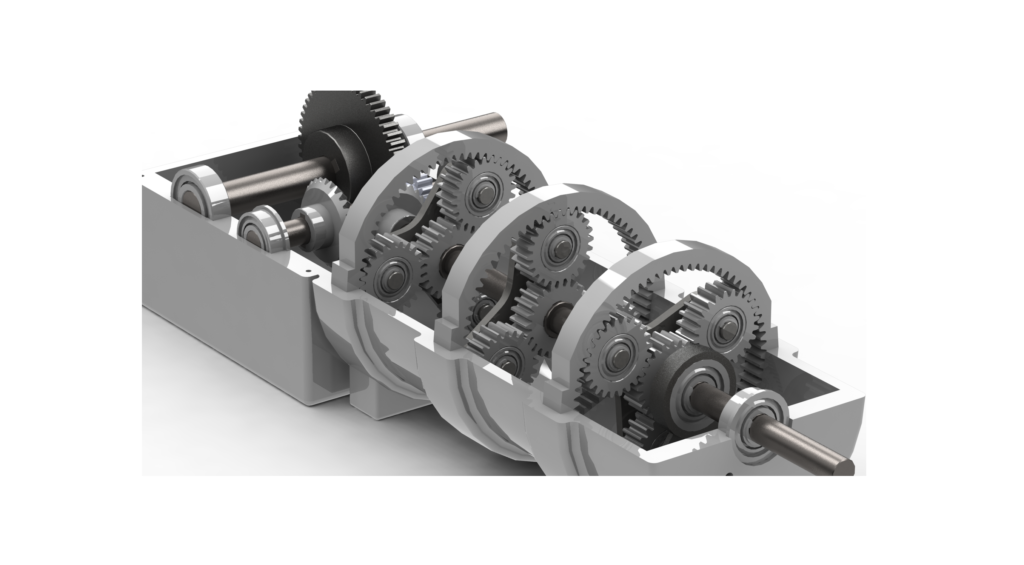
Gear shifting in planetary gear systems involves changing the gear ratio by engaging or disengaging specific components of the gear set. Let’s explore the process of gear shifting in more detail:
- Clutching and Braking:
The gear shifting process in planetary gear systems primarily relies on clutching and braking mechanisms. These mechanisms selectively connect or disconnect various gears within the system to achieve the desired gear ratio. Here are the key steps involved:
- Clutch Engagement:
To shift to a higher gear ratio, the clutch associated with the gear component that needs to be engaged is activated. The clutch connects the rotating member, such as the sun gear, planet carrier, or ring gear, to the stationary member, allowing torque transmission. This engagement results in a change in the gear ratio, leading to higher speed or torque output depending on the specific gear set configuration.
- Brake Application:
On the other hand, to shift to a lower gear ratio, a brake associated with the gear component that needs to be disengaged is applied. The brake immobilizes or slows down the rotation of the selected gear element, preventing it from transmitting torque. By selectively braking certain components, the gear ratio is altered, resulting in a lower speed or higher torque output.
- Sequential Shifting:
In some planetary gear systems, gear shifting is performed sequentially. This means that one gear component is engaged or disengaged at a time, gradually transitioning from one gear ratio to another. Sequential shifting allows for smooth and controlled gear changes, minimizing the stress on the transmission components and ensuring seamless power transmission.
- Electronic Control:
In modern applications, gear shifting in planetary gear systems is often electronically controlled. Electronic control systems utilize sensors, actuators, and a control unit to monitor various parameters such as vehicle speed, engine load, and driver input. Based on these inputs, the control unit determines the optimal gear shift points and actuates the clutches and brakes accordingly. Electronic control enhances the efficiency, precision, and automation of the gear shifting process.
In summary, gear shifting in planetary gear systems involves the engagement and disengagement of clutches and brakes to alter the gear ratio. By selectively connecting or disconnecting specific gear components, the speed and torque output can be adjusted. Sequential shifting and electronic control systems further enhance the gear shifting process, providing smooth and efficient operation in various applications, including automotive transmissions and industrial machinery.
Hvordan bidrar planetgir til kraftoverføring og girreduksjon?
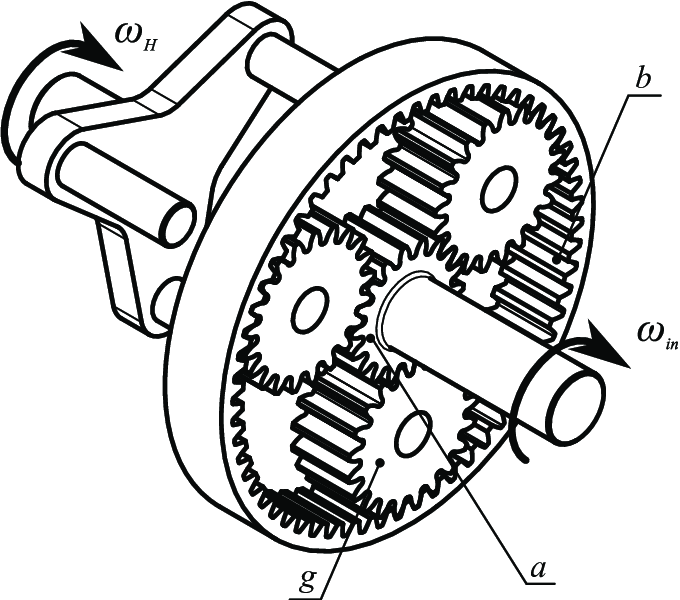
Planetgir spiller en betydelig rolle i kraftoverføring og girreduksjon. La oss utforske hvordan planetgir bidrar til disse aspektene:
- Momentforsterkning:
Et av de viktigste bidragene til planetgir er momentforsterkning. Plasseringen av flere girsett i en kompakt design muliggjør momentmultiplikasjon. Når inngangseffekten tilføres solgiret, driver den rotasjonen til planetgirene. Planetgirene går i sin tur i inngrep med ringgiret, noe som skaper en mekanisk fordel som forsterker momentutgangen. Denne momentforsterkning er fordelaktig i applikasjoner der høyt dreiemoment er nødvendig samtidig som en mindre formfaktor opprettholdes.
- Variasjon i girforhold:
Et annet bidrag fra planetgir er deres evne til å oppnå forskjellige girforhold. Ved å variere antall tenner på solgiret, planetgiret og ringgiret, kan man oppnå et bredt spekter av girforhold. Girutvekslingen bestemmes av girenes relative størrelser og antall tenner på hvert gir. Denne fleksibiliteten i girforholdene gjør at maskiner kan tilpasse seg varierende hastighets- og dreiemomentkrav, noe som muliggjør presis kontroll og effektiv kraftoverføring.
- Girreduksjon:
Planetgir brukes ofte til girreduksjonsapplikasjoner. Girreduksjon refererer til prosessen med å redusere rotasjonshastigheten og øke dreiemomentet til en kraftkilde. I et planetgirsystem oppnås girreduksjon ved å feste ringgiret og la solgiret rotere som inngang. Rotasjonen av solgiret driver planetgirene, som igjen roterer utgangsbæreren eller armen. Utgangshastigheten er lavere enn inngangshastigheten, noe som resulterer i girreduksjon. Denne girreduksjonsmuligheten er verdifull i ulike applikasjoner, for eksempel biltransmisjoner og kraftoverføringssystemer.
- Effektiv kraftoverføring:
Planetgir er kjent for sine effektive kraftoverføringsegenskaper. Den interne girinngrepet og fordelingen av lasten over flere girtenner resulterer i effektiv momentoverføring med minimalt effekttap. Lasten deles mellom planetgirene, noe som gir høyere momentkapasitet og redusert slitasje på individuelle girtenner. Denne effektive kraftoverføringen sikrer at en betydelig del av inngangseffekten overføres effektivt til utgangen, noe som gjør planetgir egnet for applikasjoner der energibesparelse og optimalisering er avgjørende.
Oppsummert bidrar planetgir til kraftoverføring og girreduksjon gjennom momentforsterkning, variasjon av girforhold, girreduksjonsmekanisme og effektiv kraftoverføring. Evnen til å forsterke dreiemoment, oppnå forskjellige girforhold og overføre kraft effektivt gjør planetgir mye brukt i ulike industrier og mekaniske systemer.


editor by CX 2023-11-10